



July 8, 2025
What Is a Good AC Efficiency Rating? (SEER Rating Guide)
When shopping for a new air conditioning system, you’ll encounter various technical specifications that can feel overwhelming. Among these, the ac efficiency rating stands out as one of the most important factors for your comfort and budget. Understanding what makes a good efficiency rating can help you make an informed decision that saves money on energy bills while keeping your home comfortable for years to come.
This comprehensive guide will walk you through everything you need to know about ac efficiency ratings, including how SEER ratings work, what constitutes a good rating, and the key factors that affect your system’s efficiency. We’ll also explore the costs and benefits of high-efficiency systems, helping you determine the best choice for your home and budget.
Here’s what we’ll cover:
- What makes a good AC efficiency rating?
- 5 key factors that affect AC efficiency
- Choosing the right SEER rating for your home
- Energy savings and payback periods
🤔 What Makes a Good AC Efficiency Rating?

Determining what constitutes a good ac efficiency rating depends on several factors, including your local climate, home size, and budget considerations. However, there are general guidelines that can help you understand where different SEER ratings fall on the efficiency spectrum.
SEER Rating Categories
- Standard Efficiency (SEER 13-15): Affordable upfront but may lead to higher energy costs over time.
- High Efficiency (SEER 16-19): A great balance of cost and energy savings, ideal for most homes.
- Ultra-High Efficiency (SEER 20+): Premium systems with maximum savings and advanced features, requiring a higher initial investment.
Regional Considerations for Maryland Homeowners
Maryland’s climate falls into a region where SEER 14 is the minimum requirement for new installations. Given the state’s hot, humid summers, a SEER rating of 16-18 typically provides the best balance of efficiency and cost-effectiveness for most homeowners.
Higher SEER ratings become increasingly beneficial if you run your air conditioning frequently during summer months or have a larger home that requires more cooling capacity. The extended cooling season in Maryland makes the energy savings from high-efficiency systems particularly valuable.
⭐️ 5 Key Factors That Affect AC Efficiency
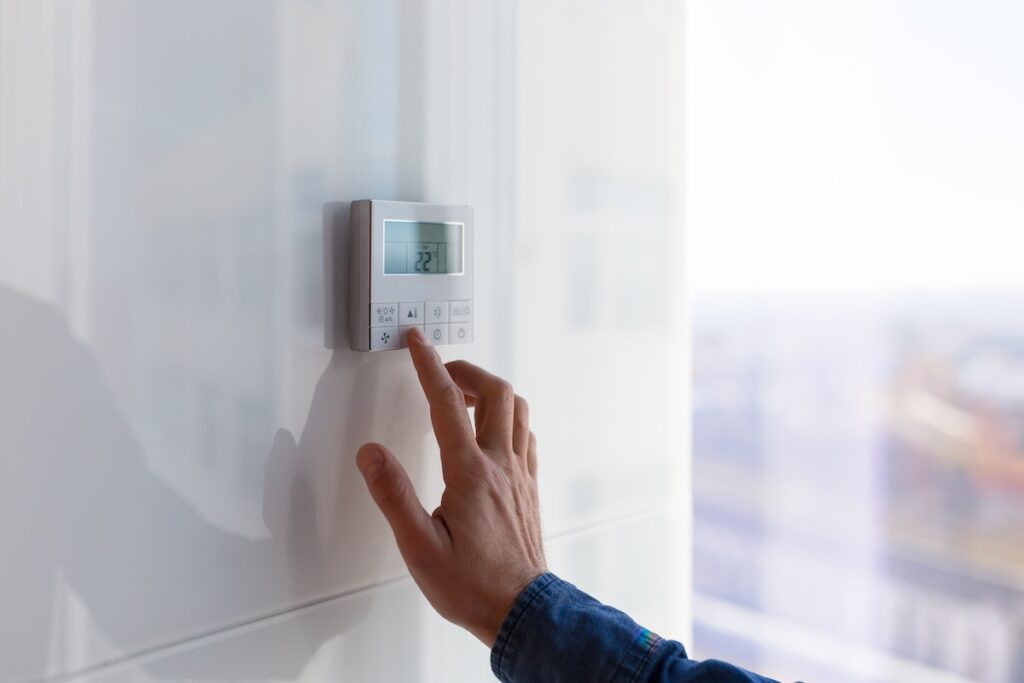
Several factors beyond the SEER rating influence your air conditioning system’s actual efficiency and performance. Understanding these factors helps you maximize your system’s effectiveness and achieve the energy savings you expect.
1. Proper System Sizing
An appropriately sized system is crucial for achieving optimal efficiency. Oversized systems cycle on and off too frequently, wasting energy and failing to adequately remove humidity. Undersized systems run continuously, struggling to maintain comfortable temperatures while consuming excessive energy.
Professional load calculations consider your home’s square footage, insulation levels, window placement, and local climate conditions. This analysis ensures your new system has the right capacity to efficiently cool your home.
2. Quality Installation
Even the most efficient air conditioning system won’t perform properly without correct installation. Proper refrigerant levels, sealed ductwork, and correct airflow are essential for achieving rated efficiency levels.
Working with certified technicians ensures your system is installed according to manufacturer specifications and local codes. Quality installation protects your investment and ensures you receive the energy savings and comfort you expect.
3. Regular Maintenance
Routine maintenance keeps your system operating at peak efficiency throughout its lifespan. Simple tasks like changing air filters regularly can significantly impact performance, while professional maintenance addresses more complex needs.
Annual tune-ups should include cleaning coils, checking refrigerant levels, lubricating moving parts, and testing system controls. This preventive care helps maintain energy efficiency ratio ratings and extends your system’s life.
4. Ductwork Condition
Your ductwork plays a crucial role in system efficiency. Leaky or poorly insulated ducts can reduce efficiency by 20-30%, negating the benefits of a high-efficiency system.
Sealing duct leaks and adding insulation where needed ensures conditioned air reaches its intended destination. This improvement enhances comfort while maximizing the efficiency of your air conditioning system.
5. Home Insulation and Air Sealing
Your home’s building envelope significantly impacts how hard your air conditioning system must work. Poor insulation and air leaks force your system to work harder, reducing overall efficiency regardless of its SEER rating.
Improving insulation and sealing air leaks reduces cooling loads, allowing your system to operate more efficiently. These improvements work synergistically with high-efficiency equipment to maximize energy savings.
👉 Choosing the Right SEER Rating for Your Home
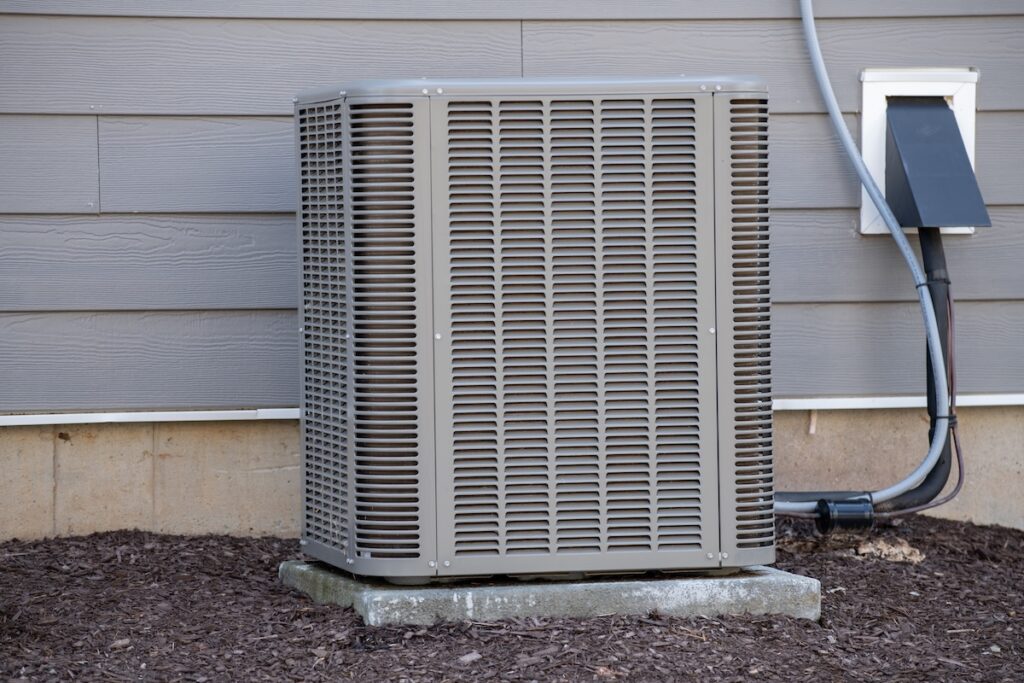
Selecting the optimal SEER rating requires balancing efficiency benefits with your budget and specific needs. Several factors should guide your decision-making process.
Climate Considerations
Maryland’s climate features hot, humid summers that place significant demands on air conditioning systems. Higher SEER ratings provide greater benefits in climates with extended cooling seasons and high cooling loads.
If you use your air conditioning heavily from May through September, investing in a higher SEER rating will likely provide better long-term value. The extended cooling season in Maryland makes the energy savings from efficient systems particularly valuable.
Home Characteristics
Larger homes, homes with poor insulation, or homes with significant solar heat gain benefit more from high-efficiency systems. These characteristics increase cooling loads, making efficiency improvements more valuable.
Conversely, smaller homes with good insulation and minimal cooling loads may not see as dramatic savings from the highest efficiency systems. A mid-range SEER rating might provide the best value in these situations.
Budget and Financing Options
Consider both upfront costs and long-term savings when evaluating different SEER ratings. Many manufacturers and contractors offer financing options that can make high-efficiency systems more affordable.
Calculate the payback period for different efficiency levels based on your expected energy savings. This analysis helps you determine which SEER rating provides the best overall value for your specific situation.
Future Plans
If you plan to stay in your home for many years, investing in higher efficiency makes more sense than if you plan to move within a few years. The energy savings accumulate over time, making the investment more valuable for long-term homeowners.
However, high-efficiency systems can also increase your home’s resale value, potentially benefiting you even if you move before fully recouping the initial investment through energy savings.
💡 Energy Savings and Payback Periods
Understanding the financial implications of different SEER ratings helps you make an informed decision that aligns with your budget and goals. Real-world savings depend on various factors, but general estimates can guide your planning.
Calculating Potential Savings
Energy savings from high-efficiency systems depend on your current system’s efficiency, your home’s cooling load, and local electricity rates. A typical Maryland home might spend $800-1200 annually on cooling costs with a standard efficiency system.
Upgrading from SEER 10 to SEER 16 could reduce these costs by 35-40%, resulting in annual savings of $280-480. Over a 15-year system lifespan, these savings can total $4,200-7,200, often exceeding the additional cost of the higher efficiency system.
Payback Period Analysis
Most high-efficiency systems pay for themselves within 5-10 years through energy savings. Systems with SEER ratings of 16-18 typically offer the best balance of upfront cost and payback period for Maryland homeowners.
Ultra-high efficiency systems (SEER 20+) may have longer payback periods but provide maximum long-term savings. These systems often make sense for homes with high cooling loads or homeowners who prioritize environmental benefits.
Factors Affecting Actual Savings
Your actual savings may vary based on factors like usage patterns, utility rates, and system maintenance. Homes with programmable thermostats, good insulation, and regular maintenance typically achieve savings closer to theoretical maximums.
Rising electricity costs can accelerate payback periods, making high-efficiency systems even more valuable over time. This trend suggests that investing in efficiency now may provide even greater benefits in the future.
👨🔧 Trust Smock HVAC for Your AC Efficiency Needs
When it comes to choosing the right AC efficiency rating and ensuring your system performs at its best, you need a team you can trust. At Smock HVAC, we combine decades of experience, personalized service, and a commitment to quality to deliver unparalleled results for your home.
Our knowledgeable technicians are well-versed in the latest high-efficiency systems and are dedicated to helping you find the perfect solution for your comfort and energy-saving goals. Don’t leave your air conditioning needs to chance—reach out to Smock HVAC today for a free consultation and estimate. Let us help you create a cooler, more efficient home you can enjoy for years to come!

